Tariffs Run Whiskey River Dry
Jim Beam has been making whiskey for a long time. Through thick and thin. But the Trump tariffs have shut down the venerable distillery. Bourbon Whiskey is a high-order (as Austrian economists would say) beverage due to the aging process required. Jim Beam is aged for four years in new charred oak barrels. Jim Beam Black is aged 7 years.
Jim Beam is one of the best-selling brands of bourbon in the world and seven generations of the Beam family have been involved in whiskey production for the company that produces the brand. The brand name became "Jim Beam" in 1943 in honor of James B. Beam, who rebuilt the business after Prohibition ended, according to Wikipedia.
The Wall Street Journal Editorial Board wrote,
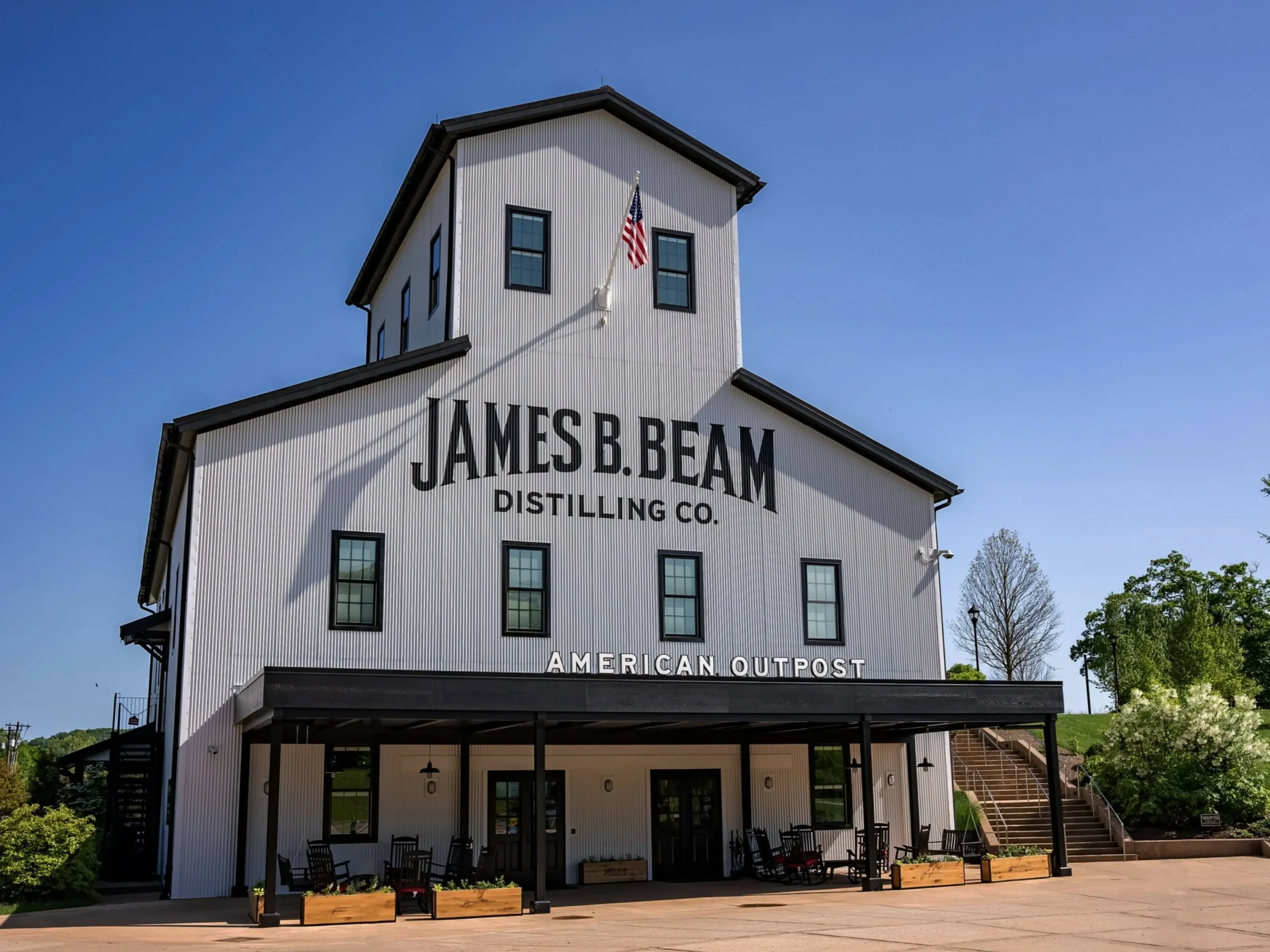
Jim Beam has decided to “pause distillation at our main distillery on the James B. Beam campus for 2026,” the company said last weekend, according to the Lexington Herald-Leader. The maker of Jack Daniel’s, meantime, this month reported sagging profits amid a “challenging economic environment.” President Trump’s trade wars aren’t helping.
“While Canada recently removed its retaliatory tariffs on U.S. spirits, the ban on U.S. spirit sales remains in place in most Provinces,” the American liquor lobby said in October. “Exports to Canada plunged by 85%, dropping below $10 million in the second quarter of 2025.”
“Much of the expansion over the last decade has been geared towards global growth,” the head of the Kentucky Distillers’ Association said this fall. “Long-term planning for a product that won’t be ready for years is already tough enough. We need the certainty of tariff-free trade for America’s only native spirit to flourish.”
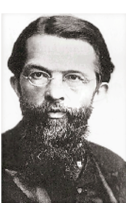
To that end Carl Menger wrote of higher order goods.
The value of goods of higher order is therefore, in the final analysis, nothing but a special form of the importance we attribute to our lives and well-being. Thus, as with goods of first order, the factor that is ultimately responsible for the value of goods of higher order is merely the importance that we attribute to those satisfactions with respect to which we are aware of being dependent on the availability of the goods of higher order whose value is under consideration. But due to the causal connections between goods, the value of goods of higher order is not measured directly by the expected importance of the final satisfaction, but rather by the expected value of the corresponding goods of lower order.
The uncertainty created by today's tariffs will create scarcity (and higher prices) of lower order goods (in this case whiskey) in the future.